PIPS Charity Welcomes New Mental Health Code but Asks: Where Is the Evidence That Northern Ireland Is Ready?
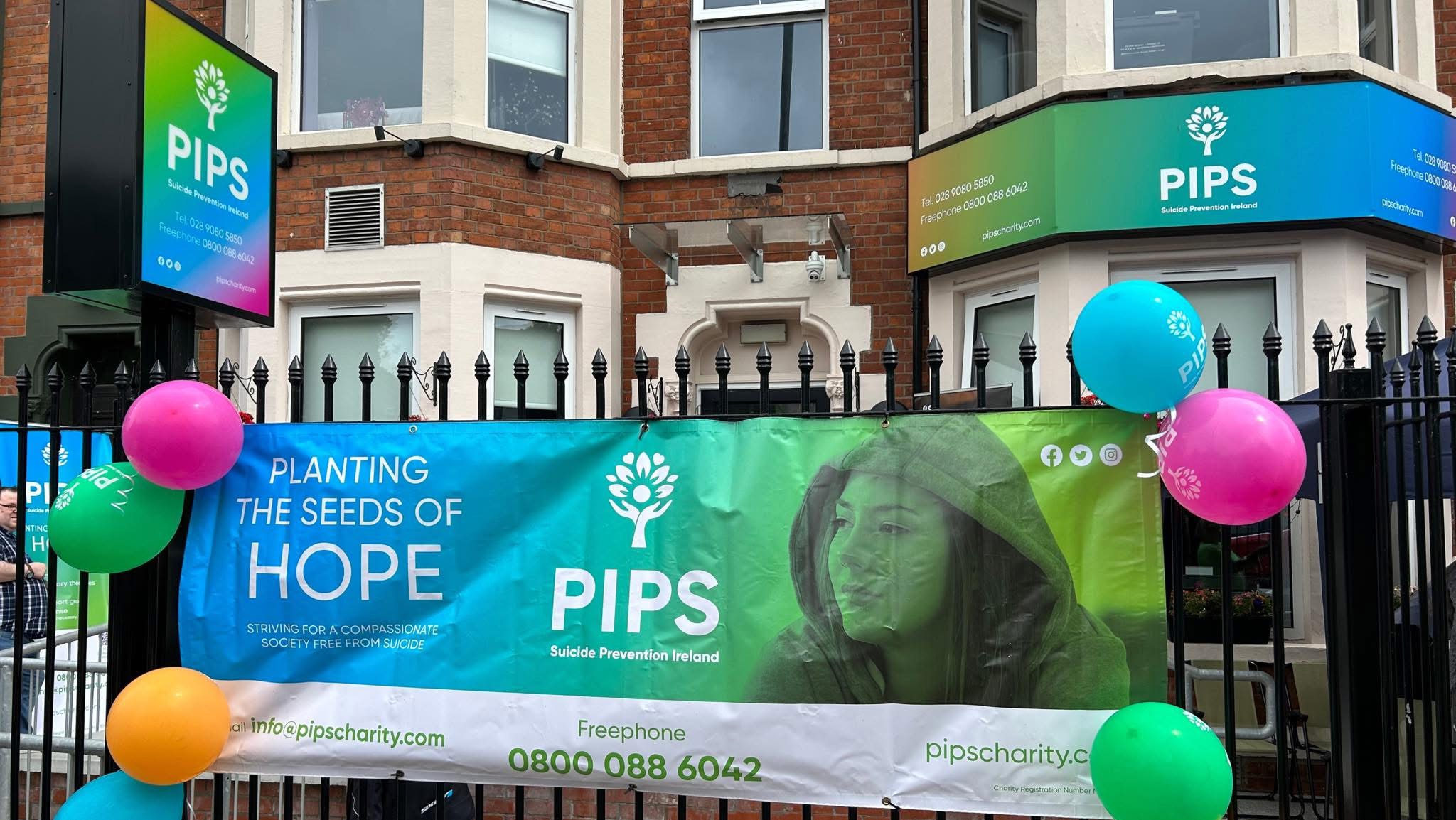
PIPS Suicide Prevention Charity has welcomed the publication of the Department of Health’s revised Mental Health (Northern Ireland) Order Code of Practice, describing it as an important step forward in promoting person-centred care, human rights, and improved multi-agency working.
However, the charity says the publication also raises a fundamental question: Has Northern Ireland demonstrated that the health and community services expected to take on greater responsibility under Right Care Right Person (RCRP) are operationally ready?

PIPS Chief Executive, Renee Quinn, said:
“Our concern has never been that police officers should remain the default responders to people experiencing a mental health crisis. They should not. People deserve the right response from the right professional.
The real question is whether the health and community services expected to assume those responsibilities are fully operational, appropriately resourced, and capable of providing an equivalent or better response on the day police attend less.”
Over recent weeks, PIPS Charity has been engaging with the Department of Health, the PSNI, the Northern Ireland Policing Board, Coroners, and the Northern Ireland Ambulance Service (NIAS) to seek assurance that the necessary safeguards, governance arrangements, and service capacity are in place before implementation proceeds.
System Under Exceptional Pressure
The charity says its concerns have been reinforced by evidence presented by the NIAS to the Assembly Health Committee in March 2026, where the service described a system already operating under exceptional pressure.
Among the evidence presented to MLAs:
-
Category 2 emergency responses average 1 hour and 22 minutes, against a national target of 18 minutes.
-
Category 3 patients wait almost three hours on average.
-
Prolonged delays present recognised clinical risks and patient harm.
-
More than 25% of ambulance operational capacity is lost because of hospital handover delays.
-
Staff continue to experience significant fatigue and moral distress.
-
NIAS remains in a period of action short of strike.
-
During periods of exceptional pressure, more than 100 patients can be waiting for an ambulance.
Ms. Quinn added:
“Good governance requires evidence, not aspiration. Before police step back, there must be clear, objective evidence that health services are ready to step forward.
The revised Code tells us how agencies should work together. It does not demonstrate that the necessary services, workforce, and crisis capacity are already in place.”
A Call for Evidence and Assurance
PIPS Charity stressed that it is not opposing Right Care Right Person, but believes implementation must be supported by robust evidence that vulnerable people will receive an equivalent or improved response when police involvement reduces.
The charity is calling on the Department of Health to publish the evidence underpinning its assessment of operational readiness, including workforce capacity, crisis response arrangements, and the governance assurances that support implementation.
Ms. Quinn concluded:
“This is ultimately a question of public safety. If responsibilities are changing between agencies, the public deserve to know that the services expected to replace police responses are already in place—not planned, not proposed, but operational. Where is the evidence that Northern Ireland is ready? That evidence should now be published.”
To read more about the revised Mental Health (Northern Ireland) Order Code of Practice, click here: https://www.health-ni.gov.uk/news/department-health-launches-revised-mental-health-order-code-practice
Renee Quinn Chief Executive, PIPS Suicide Prevention Charity